
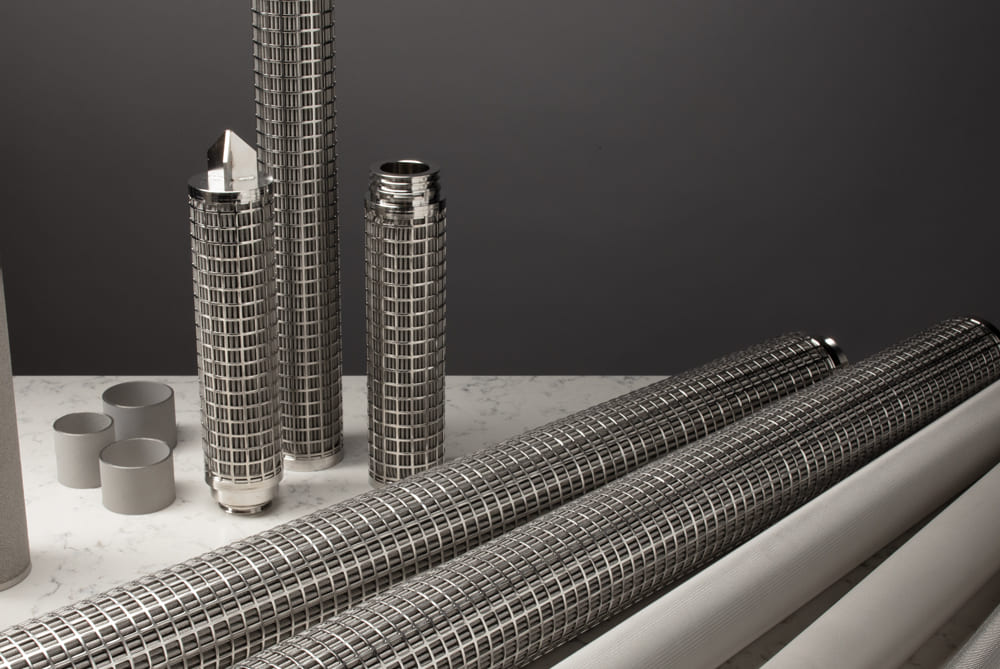
Challenges of ceramic filter elements in syngas treatment
Ceramic filter elements have been traditionally used in syngas treatment systems. However, they present several limitations that can impact the overall performance and efficiency of such systems:
1. Limited temperature tolerance
Ceramic materials are highly heat-resistant but can be susceptible to thermal shock. This occurs when a ceramic filter is subjected to rapid temperature changes, such as when hot syngas is introduced after a period of inactivity.
This can lead to cracking or even complete failure of the filter element. Prolonged exposure to high temperatures can degrade the structural integrity of ceramic filters which can reduce filtration efficiency and increase pressure drop across the filter.
2. Inconsistent pore size distribution
Ceramic filters often exhibit variations in pore size distribution across the filter element. This can lead to inconsistent filtration performance, allowing smaller particles to pass through in certain areas while larger particles are trapped in others.
3. Limited thermal shock resistance
4. Lower mechanical strength
Ceramic materials are inherently brittle, making them susceptible to breakage under mechanical stress, such as pressure fluctuations or physical impacts. The fragility of ceramic filters necessitates careful handling and increased maintenance efforts, including regular inspections and replacements.
5. Chemical corrosion susceptibility
6. Limited cleaning options
Ceramic filters are often delicate and sensitive to harsh cleaning methods. Aggressive cleaning techniques can damage the filter structure, compromising its integrity. The limited cleaning options for ceramic filters can reduce their reusability, increasing the overall cost of ownership.
Advantages of CFL SintAbond® filters over ceramic filters
1. Superior thermal shock resistance
Sintered metal filters possess excellent resistance to rapid temperature changes, making them ideal for the harsh thermal environments of syngas processing. This reduces the risk of filter failure and ensures system reliability.
2. Enhanced mechanical strength
The robust construction of sintered filters makes them highly resistant to mechanical stress and high-pressure differentials. This translates to increased durability and reduced risk of breakage during operation.
3. Improved corrosion resistance
Sintered metallic filters are available in various corrosion-resistant alloys such as alloy 800 and C276, specifically designed to withstand the aggressive nature of syngas components. This enhances filter life and minimises maintenance needs.
4. Effective cleaning
5. High-temperature tolerance
Sintered filters can operate efficiently at significantly higher temperatures than ceramic elements. This is particularly advantageous for syngas treatment systems where hot gas filtration is required.
6. Reduced fouling
The regular porous structure of SintAbond® filters minimises fouling and facilitates efficient cleaning via backwashing and other methods. This minimises downtime and maintenance costs associated with fouled filters, leading to a more cost-effective syngas treatment process.
Why CFL SintAbond® filters?
1. Enhanced filtration efficiency
2. Reduced system downtime
3. Improved system uptime and reliability
The enhanced durability, temperature tolerance, and cleanability of SintAbond® filters contribute to improved system uptime and reliability. This minimises the risk of unexpected disruptions due to filter failure, ensuring smooth and consistent syngas treatment.
4. Versatility
SintAbond® filters are available in a range of metallic materials and pore sizes, allowing for customisation to suit specific syngas treatment requirements. This flexibility enables engineers to make a filter selection for optimal performance in diverse syngas applications.
Why choose Carbis Filtration for your syngas treatment needs?
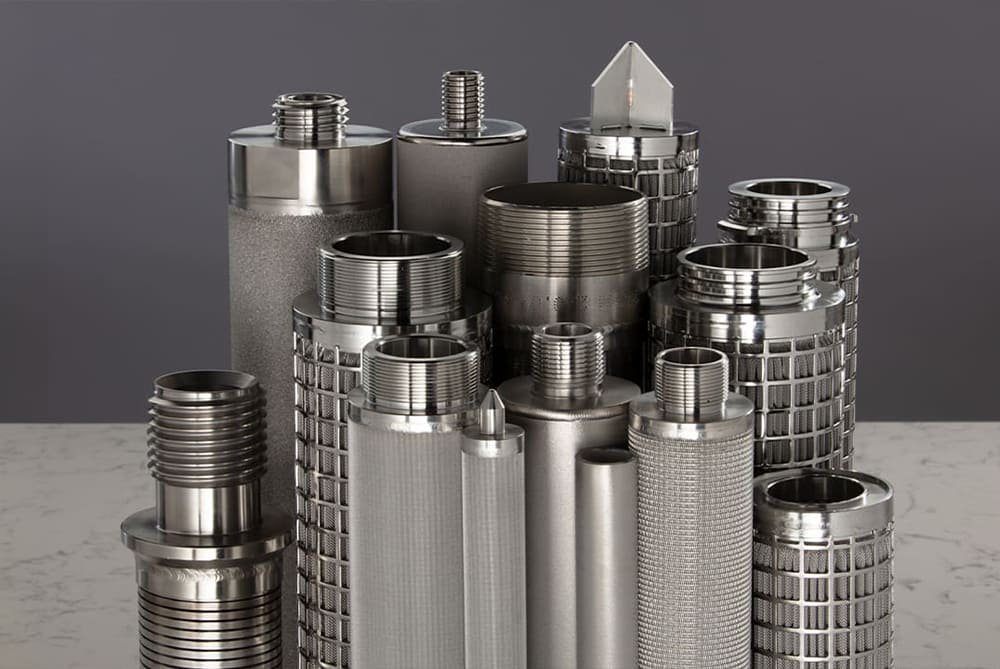
Carbis Filtration (CFL) provide reliable engineered solutions, enhancing and optimising industrial processes incorporating our sintered filter technology.
1. Advanced sintering processes
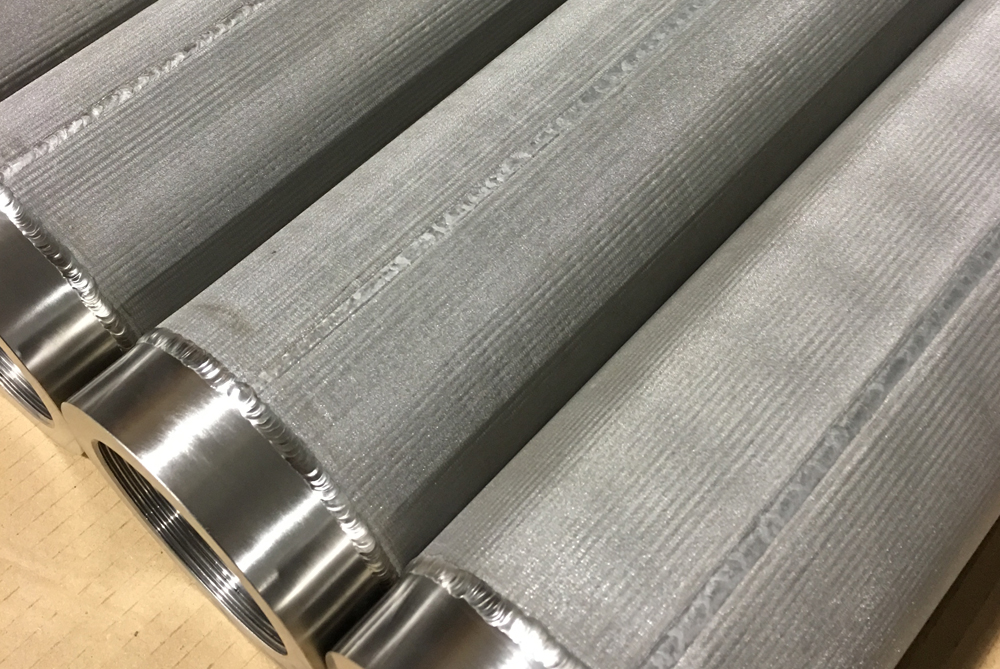
CFL utilises cutting-edge vacuum sintering technology, ensuring the highest quality and integrity of our SintAbond® filters.
2. Wide range of filter options
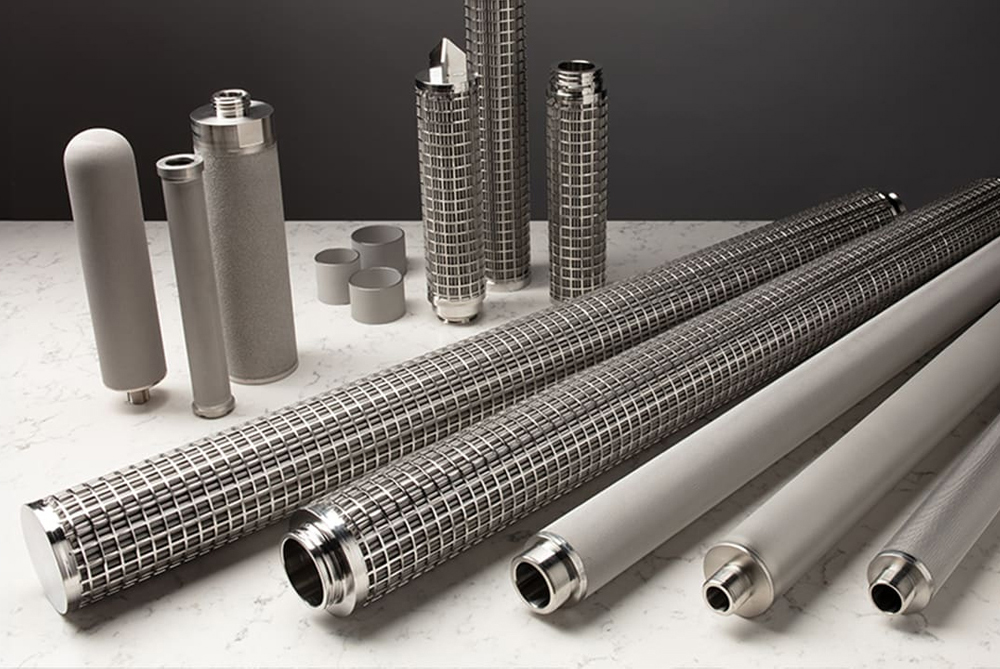
From SintAbond™ PMET, offering precise micron ratings, to SintAbond™ MESH for exceptional strength, CFL provides a diverse selection to meet specific syngas treatment requirements.
3. Customised solutions
CFL engineering team design bespoke filter systems, filter elements and specialist filter internals, customised to suit the clients specific application.
4. Material expertise
CFL offers a variety of high-performance metallic materials such as 310SS, titanium, alloys 600, 800 and C276, guaranteeing excellent thermal and corrosion resistance for syngas applications.
Conclusion
Sintered filter elements, such as the SintAbond® series from CFL, provide improved performance over traditional ceramic filters in syngas treatment applications. Engineered to withstand thermal cycling and abrasive particulates, making them highly reliable in demanding syngas production environments. In addition, the corrosion resistant properties of CFL SintAbond® filters, extend operational life, reducing maintenance frequency and total cost of ownership. Our innovative approach to filtration and separation combines precision engineering with material science, delivering customised solutions. With decades of experience and a commitment to continuous improvement, Carbis Filtration provides the tools and expertise necessary to optimise syngas purification systems.