How High Integrity Manufacturing Supports Nuclear Filtration and Separation Performance
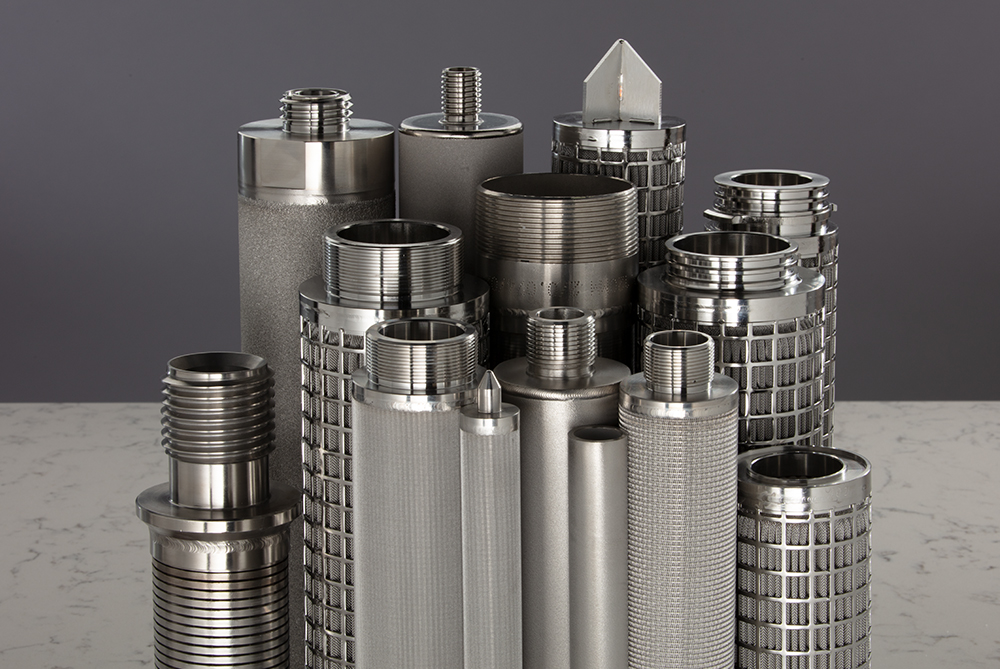
How High Integrity Manufacturing Supports Nuclear Filtration and Separation Performance
In industries where safety, reliability, and regulatory compliance are non-negotiable, few sectors face more demanding requirements than the nuclear industry. Every component used within a nuclear facility must meet exacting standards, from large scale systems to the smallest filtration and separation component.
For nuclear filtration components, manufacturing excellence extends far beyond precision machining. Every material, manufacturing process, inspection, and test must be carefully controlled, documented, verified, and traceable throughout the entire production lifecycle.
This level of control is essential for ensuring that components are manufactured in accordance with the required specifications and can be fully verified throughout their operational lifecycle. It also provides the documentation and traceability required to support quality assurance, regulatory compliance, maintenance, and future inspection activities.
For filtration and separation equipment operating in demanding nuclear environments, high integrity manufacturing helps provide confidence that every component has been produced, inspected, and documented to the required standard, supporting reliable performance in one of the world’s most critical industrial sectors.
Why Traceability Matters in the Nuclear Industry
Traceability is the ability to track a component’s complete history, from raw material sourcing through manufacturing, inspection, testing, and final delivery.
In many industrial sectors, traceability is considered good practice. In nuclear applications, it is a fundamental part of quality assurance and supply chain control.
Nuclear facilities operate within strict regulatory and quality assurance frameworks designed to protect people, assets, and the environment. The consequences of failure can be significant, particularly for components associated with safety critical or safety related systems. As a result, operators and their supply chains must be able to demonstrate that components have been manufactured in accordance with the applicable specifications, procedures, and quality requirements.
This requires clear evidence of where materials originated, how they were processed, which inspections and tests were performed, and whether the completed component conforms to the required specification.
Nuclear quality assurance programmes therefore place significant emphasis on documented manufacturing controls, material certification, inspection and testing, non-conformance management, and the retention of accurate quality records throughout the production process.
For filtration and separation components, this means that the manufacturing history must be carefully controlled and documented from the initial procurement of raw materials through to final inspection and delivery. Depending on the application and applicable quality requirements, this may include:
- Full material certification and heat traceability
- Controlled manufacturing procedures
- Qualified welding and fabrication processes
- Inspection and test records
- Non-destructive examination reports
- Dimensional inspection records
- Cleaning and surface treatment records
- Final documentation and manufacturing records
The result is a documented chain of evidence that provides confidence in the component’s material origin, manufacturing history, inspection status, and conformity with the required technical and quality standards.
What is High Integrity Machining?
High integrity machining refers to precision manufacturing carried out under tightly controlled conditions to produce components that meet demanding requirements for dimensional accuracy, material integrity, performance, quality assurance, and traceability.
For filtration and separation components used in nuclear applications, this may include:
- Tight dimensional tolerances
- Certified and fully traceable materials
- Controlled machining procedures
- Qualified manufacturing processes
- Comprehensive inspection regimes
- Non-destructive examination, where specified
- Detailed manufacturing and quality records
- Full product identification and traceability
The objective is not simply to manufacture a component that conforms to the dimensions shown on a drawing. High integrity machining provides documented evidence that the correct material was used, the component was manufactured using controlled processes, and the required inspections and tests were completed at each relevant stage.
This approach helps ensure that the finished component can be verified against the applicable technical and quality requirements throughout its manufacturing history and, where required, throughout its operational lifecycle.
For nuclear filtration and separation systems, this level of manufacturing control supports the reliability, maintainability, and assurance required to protect critical equipment and support safe, dependable plant operation.
Material Certification is the Foundation
The traceability process begins long before machining or fabrication starts.
For filtration and separation components supplied for nuclear applications, the raw materials must be procured and controlled in accordance with the applicable technical and quality requirements. This typically includes certified material documentation confirming relevant properties such as chemical composition, mechanical characteristics, material grade, heat or batch identification, and compliance with the specified material standard.
Material certification provides the documented evidence that the correct material has been supplied. Traceability then ensures that this material can be followed through the manufacturing process and linked to the completed component.
Each material batch or heat is assigned a unique identification reference, which is retained throughout production. This allows manufacturers to demonstrate exactly which material was used in each finished component and to maintain a clear link between the original material certification and the final product.
Depending on the applicable specification and quality requirements, material control may also include:
- Review and verification of material certificates
- Positive Material Identification (PMI), where specified
- Controlled material receipt and storage
- Heat and batch traceability throughout manufacture
- Material transfer controls during machining and fabrication
- Documented verification against the approved material specification
This level of control ensures that, should future inspection, maintenance, investigation, or regulatory review be required, the relevant material records remain available and can be traced back to the original source documentation.
Material verification and traceability are therefore fundamental elements of the quality assurance systems used throughout the nuclear supply chain. The specific certification, inspection, testing, and approval requirements will depend on the component’s classification, applicable standards, and project specific quality requirements.
Precision Manufacturing with Documented Control
Once materials have been approved and released for production, machining and manufacturing operations must be carried out under controlled and repeatable conditions.
Each relevant manufacturing stage is typically supported by documented procedures that define the required methods, controls, and inspection criteria. Depending on the component and applicable quality requirements, these may include:
- Approved machining and manufacturing methods
- Tooling and equipment requirements
- Defined inspection and hold points
- Measurement and verification criteria
- Applicable acceptance limits
- Process and quality control requirements
Critical information is recorded throughout production, creating a documented manufacturing history for the component. This provides objective evidence that the required processes were followed and that the relevant inspections and checks were completed.
Such documentation allows clients, quality personnel, and regulators, where applicable, to verify that manufacturing activities were performed in accordance with the approved requirements and that the completed component conforms to the relevant specification.
For nuclear applications, consistency is just as important as precision. A component must not only be manufactured accurately once; the manufacturing process must be controlled and repeatable, delivering consistent results across production batches and throughout the supply chain.
This combination of precision manufacturing, documented process control, and repeatability is central to the production of high-integrity filtration and separation components.
Inspection and Verification at Every Stage
Quality control does not begin and end with final inspection.
For high integrity components supplied to the nuclear sector, inspection and verification activities are typically planned throughout the manufacturing process. The exact requirements depend on the applicable specification, component classification, customer requirements, and approved quality plan.
Depending on the component and manufacturing process, inspections may include:
- Dimensional verification
- Surface finish measurement
- Material identification and traceability checks
- Visual inspection
- Non-destructive examination
- Functional or performance testing, where applicable
Carrying out inspection at defined stages allows potential issues to be identified at the earliest practical opportunity, reducing the risk of non-conforming work progressing further through the manufacturing process.
Inspection and Test Plans (ITPs) may also define specific witness points and hold points. At a hold point, the relevant inspection or approval must be completed before the next manufacturing stage can proceed. Witness points provide the designated parties with the opportunity to attend or witness a specified activity, in accordance with the agreed inspection requirements.
These planned controls provide an additional layer of assurance for critical components and create a documented record of conformity throughout the manufacturing process.
Supporting Regulatory Compliance
The nuclear industry operates within some of the world’s most demanding regulatory and quality assurance frameworks.
Compliance requirements vary according to factors such as the application, component classification, country of installation, applicable regulations, client requirements, and the safety significance of the equipment. Manufacturers may therefore be required to demonstrate compliance with a combination of recognised standards, approved quality management systems, technical specifications, and client specific requirements.
Depending on the component and application, these requirements may relate to:
- Material procurement and certification
- Welding and fabrication
- Machining and manufacturing processes
- Inspection and testing
- Non-destructive examination
- Quality assurance and quality control
- Documentation and records management
- Nuclear supply chain controls
For filtration and separation components used in applications such as nuclear power generation, fuel processing, decommissioning, or radioactive waste management, the quality documentation supporting the component can be as important as the physical product itself.
A component may be technically capable of performing its intended function, but without the required evidence of material traceability, manufacturing control, inspection, testing, and conformity, it may not be acceptable for installation or use.
This is why comprehensive manufacturing and quality documentation packages frequently accompany high integrity nuclear filtration products. These records provide documented evidence of how the component was manufactured, inspected, tested, and verified against the applicable requirements.
Effective compliance is therefore not simply about producing a component that meets the required specification. It is about the ability to demonstrate, through objective and traceable evidence, that the required controls were applied throughout the manufacturing process.
The Role of Filtration and Separation in Nuclear Operations
Filtration and separation systems perform important functions throughout the nuclear lifecycle.
Depending on the application, they may be used to remove or control contaminants in air, liquids, gases, and process streams, while protecting equipment, supporting process efficiency, and helping maintain controlled operating environments.
Applications can include:
- Nuclear power generation
- Fuel processing
- Radioactive waste management
- Decommissioning projects
- Ventilation and air treatment systems
- Process fluid treatment
- Effluent and waste stream management
The specific filtration and separation requirements vary significantly depending on the process, operating environment, system design, and safety classification of the equipment. However, filtration components used in nuclear applications may be required to deliver consistent performance over extended service periods while meeting demanding requirements for material control, manufacturing quality, inspection, documentation, and traceability.
This places particular importance on the integrity of the complete supply chain. The performance of a filtration component depends not only on its design and filtration characteristics, but also on the quality of the materials, manufacturing processes, inspections, testing, and documentation supporting the finished product.
For this reason, high integrity filtration and separation components must be engineered and manufactured with the specific application requirements in mind, providing both reliable operational performance and the documented assurance required for the relevant nuclear environment.
Engineering Confidence Through Complete Traceability
Complete traceability delivers more than regulatory compliance. It provides confidence in the integrity of the manufacturing process and the documented history of the finished component.
Plant operators, engineers, quality teams, regulators, and project managers need assurance that critical components have been manufactured using the correct materials, controlled processes, and appropriate inspection and testing requirements.
By maintaining detailed records from raw material procurement through to final inspection and delivery, manufacturers can provide objective evidence of how each component was produced and verified.
This documented history supports:
- Material and component traceability
- Verification of manufacturing processes
- Inspection and test records
- Quality assurance and regulatory requirements
- Future maintenance and technical review
- Investigation and root cause analysis, where required
At Carbis Filtration Ltd (CFL), high integrity engineering is central to supporting clients across the nuclear, aerospace, defence, and other critical industrial sectors. The company supplies specialist filtration and separation components designed to protect critical equipment and perform reliably in demanding applications where performance, reliability, and quality are essential.
Supported by decades of engineering experience, specialist manufacturing capabilities, controlled processes, and comprehensive quality systems, CFL helps clients meet demanding technical, operational, and compliance requirements.
In critical industries, confidence is built through evidence. Complete traceability provides that evidence, creating a clear link between the original material, the manufacturing process, the finished component, and the requirements it was designed to meet.
Conclusion
In the nuclear industry, confidence in critical components must be supported by evidence.
Filtration and separation components must be manufactured to meet the applicable technical and quality requirements while being supported by a complete and auditable record of their material origin, manufacturing history, inspection, testing, and conformity.
High integrity machining, controlled manufacturing processes, rigorous quality assurance, and comprehensive traceability work together to provide the documented assurance required for critical nuclear applications.
For filtration and separation components, this approach helps ensure that the finished product is not only capable of delivering the required operational performance, but that its manufacturing history can also be verified throughout the supply chain and, where required, throughout its operational lifecycle.
As nuclear projects continue to demand high levels of accountability, reliability, and safety assurance, precision manufacturing and robust traceability will remain fundamental to the successful delivery of high-integrity filtration and separation systems.
At CFL, engineering expertise, controlled manufacturing, and documented quality processes combine to support customers operating in some of the world’s most demanding industrial environments.
Latest News

Filtration Efficiency and ROI: The Hidden Costs of Poor Separation Performance
How High Integrity Manufacturing Supports Nuclear Filtration and Separation Performance

Why specialist field services are key to filtration performance
Why Differential Pressure in Filtration and Separation Applications Is More Important Than You Realise
Why metal filter elements are the safer choice in high-temperature, high-pressure processes




No comments yet.